
One of the most persistent—and damaging—assumptions is that all foam materials labeled as “high quality” perform the same. This belief continues to mislead buyers across industries, especially those dealing with exports, manufacturing, and large-scale distribution.
The reality is more complex. Working with polyurethane foam suppliers requires more than trusting labels or surface-level specifications. Quality is not a fixed attribute—it’s a result of process discipline, raw material control, and consistent execution.
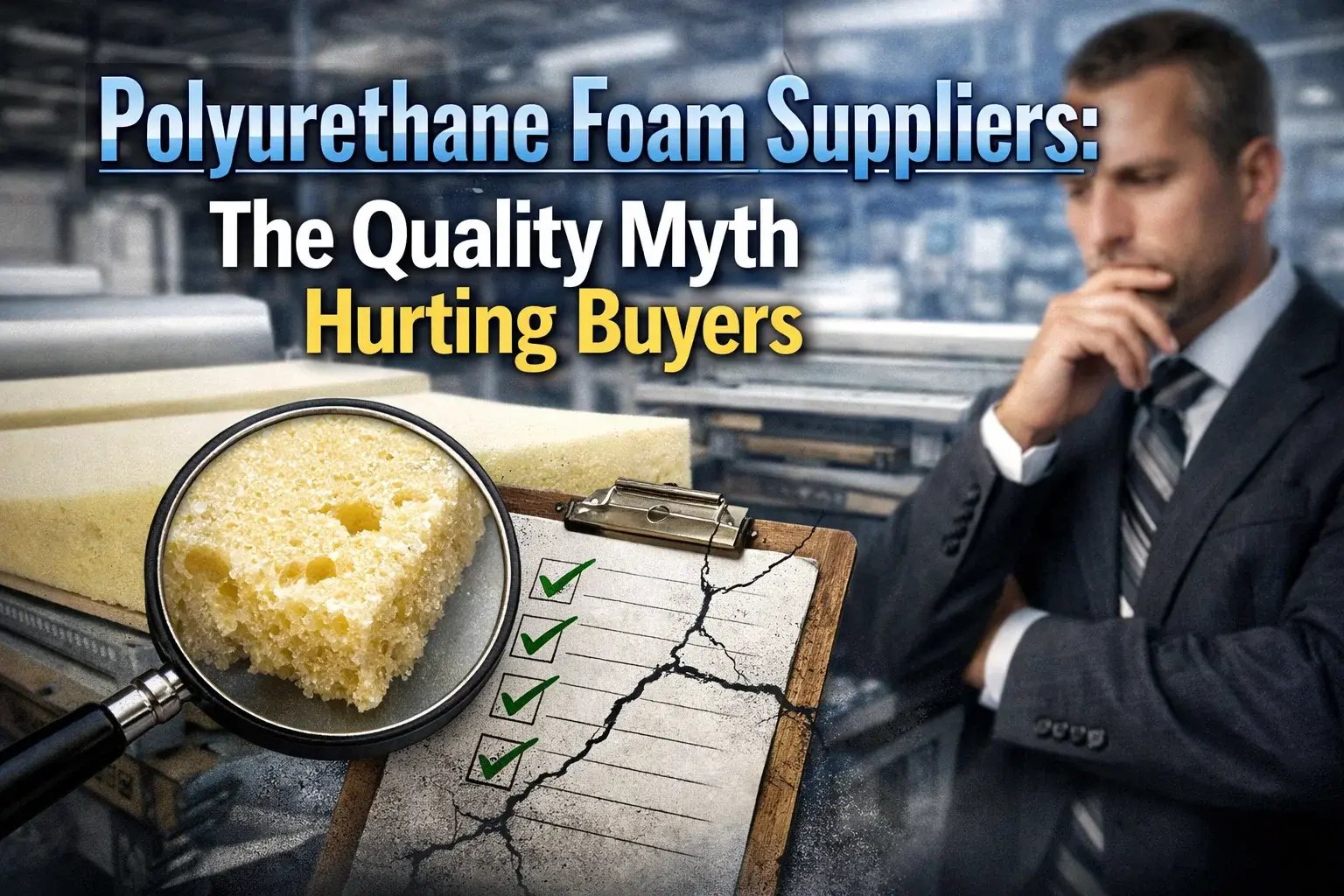 Many buyers discover this only after facing product failures, shipment damage, or customer complaints. By then, the cost is already absorbed across operations.
This article explores the “quality myth” in foam sourcing, why it persists, and how experienced buyers approach procurement differently to avoid costly mistakes.
The Origin of the Quality Myth
The idea that all foam of a certain grade performs equally comes from oversimplified sourcing practices.
Over-Reliance on Basic Specifications
Buyers often depend on limited parameters such as:
- Density
- Thickness
- Visual appearance
While these are important, they do not fully define performance. Two foam sheets with identical density can behave very differently under stress.
Misleading Standardization
Standard grades create the illusion of uniformity. In reality, manufacturing variations, raw material quality, and process control significantly influence outcomes.
This gap between perceived and actual quality is where most procurement issues begin.
Why the Myth Persists in B2B Trade
Despite repeated challenges, many businesses continue to rely on outdated sourcing assumptions.
Price-Driven Decision Making
Cost pressure often pushes buyers toward lower-priced options without fully evaluating quality implications.
This leads to:
- Compromised durability
- Increased product returns
- Higher long-term costs
The initial savings rarely justify the downstream impact.
Limited Technical Understanding
Not all procurement teams have deep technical knowledge of foam materials. This makes it easier to rely on supplier claims rather than independent validation.
Without proper evaluation, differences in:
- Compression strength
- Elastic recovery
- Aging performance
go unnoticed until problems arise.
Supplier Communication Gaps
Some suppliers provide minimal technical clarity, reinforcing the myth that all products within a category are interchangeable.
Clear, detailed communication is often missing, leaving buyers to make assumptions.
The Real Meaning of Quality in Foam Materials
Quality is not a label—it is a measurable, repeatable outcome.
Performance Under Real Conditions
True quality is determined by how foam performs in actual use cases, such as:
- Long-distance transportation
- Continuous load-bearing
- Exposure to varying temperatures
Materials that perform well in controlled environments may fail under real-world conditions.
Consistency Across Batches
Even if a sample performs well, inconsistency across production batches can create serious issues.
Reliable suppliers maintain:
- Uniform density distribution
- Stable chemical composition
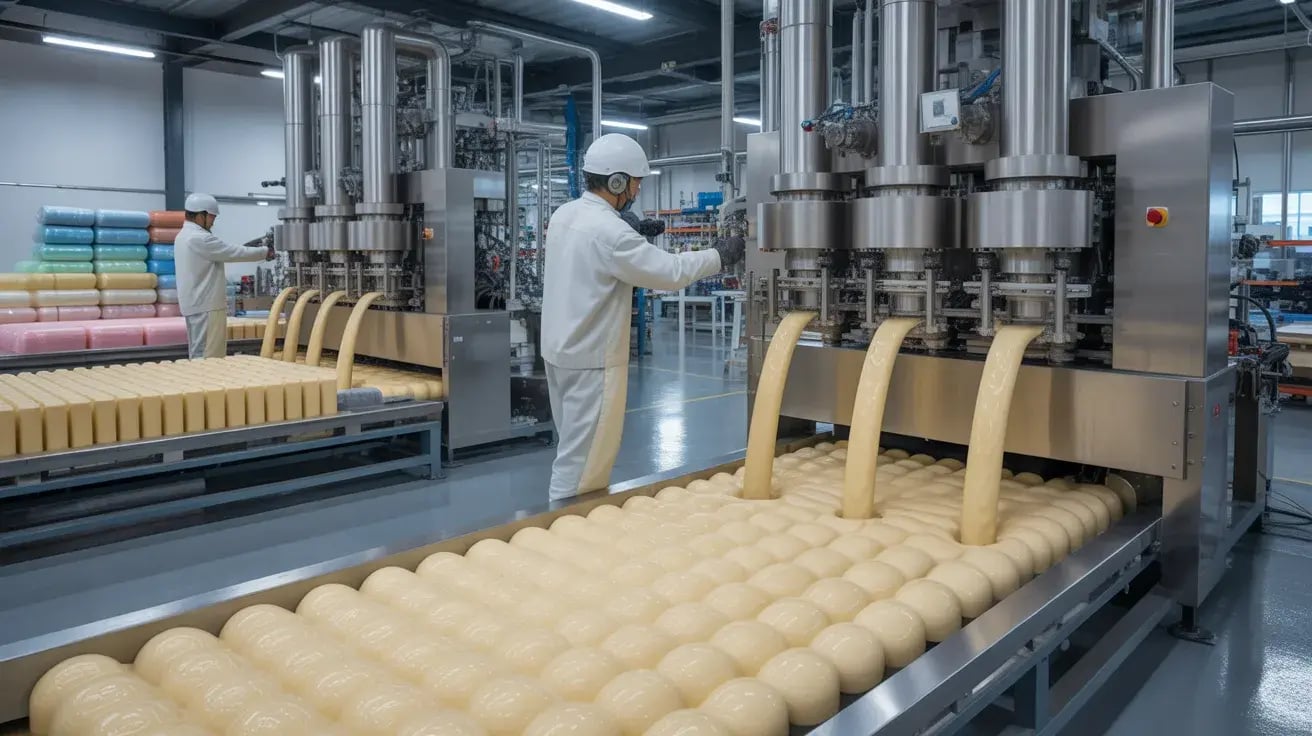
- Controlled curing processes
Without consistency, quality becomes unpredictable.
Durability Over Time
Short-term performance is not enough. Buyers must consider how materials behave over time.
Factors such as:
- Compression set
- Material fatigue
- Structural breakdown
play a critical role in long-term reliability.
Where Buyers Get It Wrong
Understanding common mistakes helps avoid them.
Skipping Thorough Sample Testing
Many buyers approve samples based on limited testing. This often fails to reveal:
- Long-term durability issues
- Performance under stress
- Environmental sensitivity
Comprehensive testing is essential.
Ignoring Supply Chain Variables
Quality is influenced by more than manufacturing. Storage, handling, and transportation also matter.
Poor logistics can degrade even high-quality foam before it reaches the end user.
Treating Suppliers as Interchangeable
Not all suppliers operate at the same level of discipline. Treating them as interchangeable increases risk.
Experienced buyers evaluate suppliers based on:
- Process maturity
- Quality systems
- Operational transparency
The Hidden Cost of Believing the Myth
The impact of poor sourcing decisions extends beyond immediate defects.
Operational Disruptions
Inconsistent materials can lead to:
- Production delays
- Increased rejection rates
- Rework costs
These disruptions affect overall efficiency.
Customer Trust Erosion
End users may not see the foam, but they experience its impact. Poor quality leads to:
- Damaged products
- Reduced comfort or performance
- Negative feedback
Over time, this erodes brand credibility.
Increased Total Cost of Ownership
While low-cost materials reduce upfront expenses, they often increase:
- Replacement costs
- Logistics expenses
- Customer service burdens
The total cost becomes significantly higher.
The Role of Specialized Suppliers in Breaking the Myth
As industries evolve, buyers are moving toward more specialized sourcing strategies.
Application-Specific Solutions
Rather than relying on generic materials, businesses are working with foam packaging material suppliers to develop solutions tailored to specific needs.
This approach improves:
- Product protection
- Material efficiency
- Overall performance
Integrated Design Thinking
Modern procurement involves collaboration between buyers and suppliers to design materials that meet precise requirements.
This reduces guesswork and improves outcomes.
Practical Procurement Strategies That Work
Breaking free from the quality myth requires a structured approach.
Define Performance Requirements Clearly
Instead of vague specifications, buyers should outline:
- Load conditions
- Environmental factors
- Expected lifespan
This ensures alignment from the start.
Implement Multi-Stage Testing
Testing should not stop at initial samples. Include:
- Batch testing
- Stress testing
- Long-term evaluation
This provides a more accurate picture of performance.
Build Long-Term Supplier Relationships
Consistency improves when suppliers understand your requirements deeply.
Strong relationships lead to:
- Better communication
- Faster problem resolution
- Continuous improvement
Use Data to Drive Decisions
Track supplier performance over time, including:
- Quality consistency
- Delivery reliability
- Issue frequency
Data-driven insights help refine sourcing strategies.
The Shift Toward Smarter B2B Sourcing
The industry is gradually moving away from assumption-based sourcing.
Increased Awareness
Buyers are becoming more informed about material behavior and quality metrics.
This reduces reliance on generic claims.
Digital Procurement Systems
Technology is enabling:
- Better supplier comparison
- Improved transparency
- Real-time performance tracking
These tools support more informed decision-making.
Focus on Long-Term Value
There is a growing recognition that quality impacts long-term profitability more than short-term cost savings.
Conclusion
The belief that all foam materials of a certain grade deliver the same performance is one of the most costly misconceptions in B2B sourcing.
Quality is not defined by labels—it is built through controlled processes, consistent execution, and rigorous validation. Buyers who move beyond assumptions and adopt structured procurement practices gain a clear advantage in reliability and efficiency.
As global trade becomes more competitive, the ability to distinguish real quality from perceived quality will define success. Working with experienced flame retardant foam suppliers and focusing on performance-driven sourcing ensures that materials meet both operational and market expectations.
FAQs
1. Why do foam materials with the same density perform differently?
Because density alone does not account for factors like chemical composition, cell structure, and manufacturing processes.
2. How can buyers verify true foam quality?
Through comprehensive testing, supplier audits, and reviewing detailed technical data.
3. Is low-cost foam always a bad choice?
Not necessarily, but it often comes with higher long-term risks and hidden costs.
4. What is the biggest mistake in foam procurement?
Relying on basic specifications without evaluating real-world performance.