
Small and medium-sized enterprises (SMEs) face a familiar challenge: keeping pace with innovation while maintaining profitability. Wearable Technology wholesalers have quietly become the enablers of that balance.
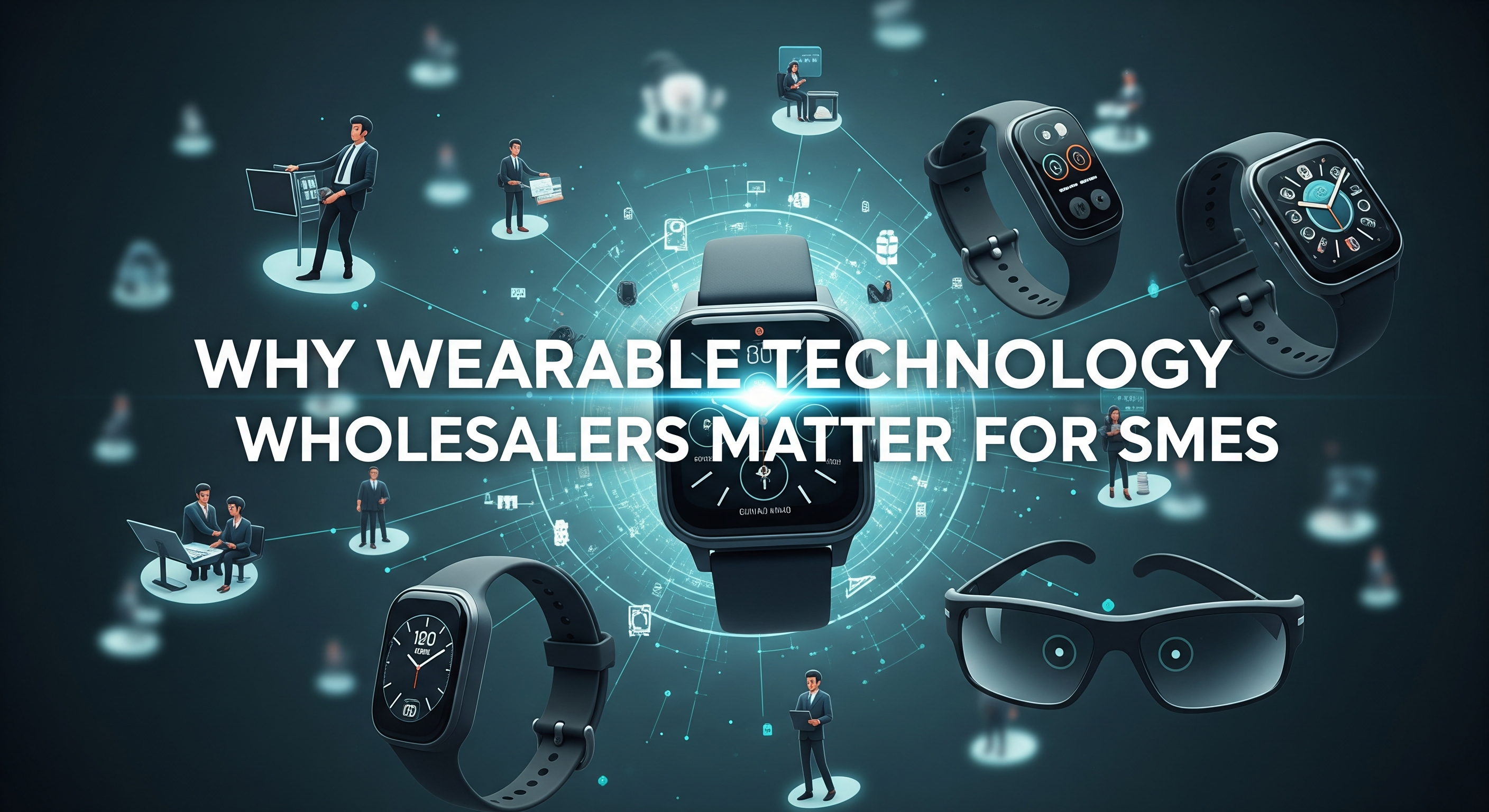
They don’t just distribute products—they distribute opportunity. By offering SMEs access to trending wearable devices, streamlined logistics, and flexible purchasing models, wholesalers help bridge the gap between cutting-edge technology and small-scale business growth.
This article explores why wholesalers are more than intermediaries—they’re strategic partners helping SMEs scale confidently in one of the most dynamic sectors in global trade.
1. The Growing Importance of Wearables in the SME Ecosystem
Wearable technology is no longer limited to fitness or healthcare; it now spans industries like logistics, retail, and field services. From smartwatches that track employee performance to wearables enhancing workplace safety, SMEs are realizing tangible returns from tech integration.
For many of these businesses, wholesalers act as the access point—offering competitive pricing, technical support, and market insights that might otherwise be out of reach.
The right wholesaler becomes a gateway for SMEs to compete with larger enterprises through cost-effective innovation.
2. The Economic Leverage Wholesalers Provide
Wholesalers help SMEs bypass high manufacturing minimums and complex sourcing networks. By buying in moderate volumes from a trusted distributor, SMEs can secure quality devices without large upfront investment.
This flexibility allows smaller companies to test new markets, refine offerings, and scale gradually.
In an era where agility defines survival, wholesalers provide economic leverage—letting SMEs grow without overextending resources.
3. Consistent Supply and Simplified Logistics
Consistency is everything in trade. SMEs often struggle to maintain reliable supply chains, especially across borders.
Wholesalers solve that by maintaining inventory, handling import regulations, and managing shipment logistics. This stability ensures that retailers, e-commerce brands, and resellers never face downtime or lost sales due to stock shortages.
A dependable wholesaler doesn’t just sell products—they safeguard continuity.
4. Access to Tested and Certified Products
Quality assurance can make or break an SME’s reputation. Established wholesalers vet every product before distribution, ensuring compliance with global safety standards and performance benchmarks.
From CE and FCC certification to waterproof ratings, this pre-validation gives SMEs confidence in the products they sell.
It’s a quiet advantage—saving SMEs the time and risk of navigating complex compliance procedures themselves.
5. The Innovation Advantage: Partnering with the Right Suppliers
The wearable sector moves fast, with features like biometric sensors, GPS tracking, and AI-driven analytics changing annually. SMEs can’t afford to fall behind.
This is where the ecosystem of Heart Rate Smartwatches suppliers plays a crucial role. Their advancements in sensor accuracy, battery optimization, and connectivity directly influence the kind of devices wholesalers offer.
Wholesalers connected to top-tier suppliers stay ahead of trends, enabling SMEs to stock next-generation products before competitors even spot the wave.
6. Reducing Market Entry Barriers for Startups
For startups and smaller retailers entering the wearable segment, wholesalers offer a lower barrier to entry. Instead of navigating factory negotiations, product testing, and logistics, they gain instant access to ready-to-market inventory.
This allows new businesses to focus on branding, marketing, and customer experience while leveraging the wholesaler’s established infrastructure.
It’s an efficient model that accelerates time-to-market and minimizes early risk.
7. Supporting Global Trade and Market Expansion
Wholesalers play a quiet but crucial role in international trade. They consolidate demand from multiple SMEs, enabling large-scale manufacturing runs and cross-border distribution.
This shared-volume approach opens access to global suppliers that small buyers alone couldn’t reach.
For SMEs with international aspirations, partnering with an experienced wholesaler can be the first step toward scalable export capability.
8. Transparency, Trust, and Relationship Building
The best wholesalers treat relationships as partnerships, not transactions. SMEs value clear communication on product specs, shipping schedules, and warranty terms.
Transparent wholesalers provide ongoing updates, accessible documentation, and consistent after-sales support.
This culture of accountability builds the kind of long-term trust that underpins all successful B2B collaboration.
9. The Data and Insight Wholesalers Bring
Many wholesalers now go beyond logistics—they share analytics. Insights on trending models, regional demand, or pricing fluctuations help SMEs make informed inventory decisions.
It’s intelligence built into distribution. SMEs that treat wholesalers as data partners, not just suppliers, can pivot faster and invest smarter.
10. The Role of Sustainability and Ethical Trade
As global awareness of environmental responsibility grows, wholesalers who source from ethical, sustainable manufacturers give SMEs an edge.
Buyers increasingly favor eco-conscious brands. Wholesalers committed to green packaging, recyclable materials, and responsible production align SMEs with that demand—without the overhead of managing sustainability programs internally.
Sustainability isn’t a buzzword; it’s a competitive asset.
11. Future Outlook: A Smarter, Connected Supply Chain
Wearable tech wholesalers are evolving into strategic supply chain partners. With AI-driven inventory systems, automated reordering, and integrated ERP platforms, they’re enabling SMEs to run leaner, smarter operations.
Future wholesalers will focus as much on data accuracy and delivery speed as on physical stock—turning supply chains into transparent ecosystems that predict, not just react.
Conclusion
In the wearables trade, wholesalers are the quiet catalysts of SME growth. They simplify sourcing, stabilize supply, and make innovation accessible at scale.
For small businesses seeking dependable partnerships, working with an experienced Wearable Devices Manufacturer or distributor ensures access to certified, future-ready products and sustainable business momentum.
For SMEs aiming to grow in global markets, the right wholesaler isn’t just a supplier—it’s a strategic ally.
FAQs
1. How do wholesalers help SMEs compete with larger companies?
They provide affordable access to quality products, reducing the cost and complexity of direct manufacturing.
2. Why are wholesalers important in wearable technology?
They connect SMEs to global innovations, manage logistics, and ensure certified quality, enabling faster market access.
3. What should SMEs look for in a wearable tech wholesaler?
Transparent pricing, proven certifications, responsive communication, and a reliable track record.
4. How does partnering with wholesalers improve supply stability?
Wholesalers maintain inventory, streamline import processes, and handle fulfillment efficiently.