
SMEs and B2B teams want stable, long-term partnerships they can count on. When you work with trusted Embedded Systems Suppliers, the goal is not just to complete a deal. The goal is to create a working relationship that supports growth, reduces risk, and allows both sides to innovate with confidence.
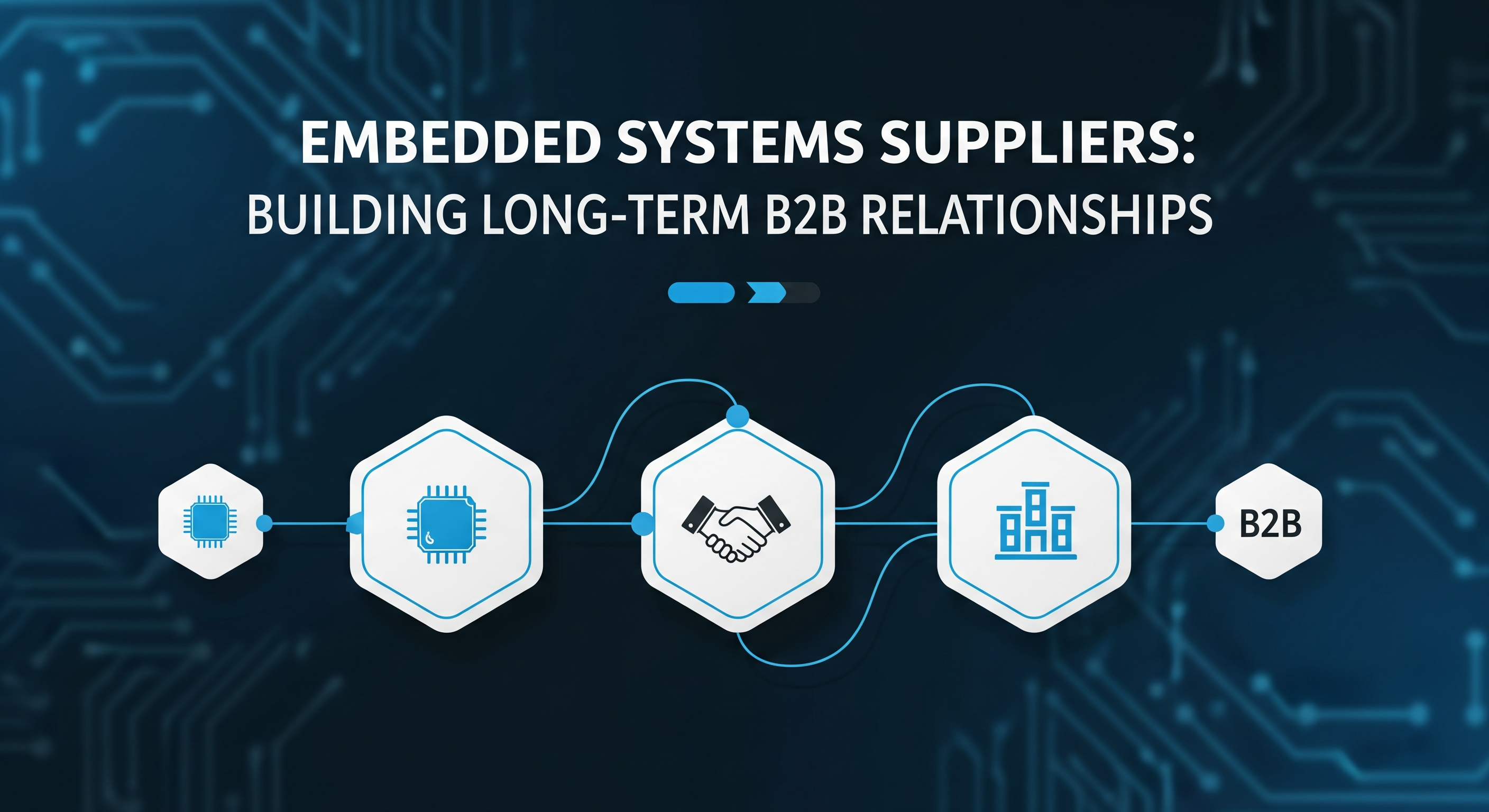
In this guide, I’ll walk you through what truly builds long-term B2B relationships in the embedded systems space. These lessons come from real-world interactions with engineering teams, procurement leads, and SME founders who want more reliability—and fewer surprises.
Why Long-Term Partnerships Matter in Embedded Systems
Long-term relationships help both buyers and suppliers avoid common B2B challenges. When teams trust each other, they waste less time in negotiation, face fewer delays, and can plan with better accuracy.
Predictability Creates Stability
Embedded systems development cycles are not short. Many run for months or even years. Predictable supply, aligned expectations, and clear communication make your projects smoother from day one.
Shared Knowledge Reduces Risk
When a supplier knows your needs, your product history, and your design patterns, they can help you avoid mistakes before they happen. That shared insight cuts costs and increases reliability.
Better Collaboration Leads to Better Technology
Long-term partners work like an extended part of your team. That means faster adjustments, more thoughtful support, and solutions tailored to your environment and performance expectations.
What Buyers Expect From a Trusted Supplier
Buyers want more than components—they want confidence. Most expectations fall into three key areas.
1. Honest Lead Times
Buyers value clarity more than speed. When a timeline is realistic, they can plan production and avoid delays.
2. Good Communication
No one wants to chase an update. Clear and regular communication strengthens trust and reduces stress for both sides.
3. Consistent Quality
In embedded systems, quality issues can cause big project setbacks. Buyers need stable quality from batch to batch, and from design to delivery.
4. Technical Guidance When Needed
Sometimes a buyer needs support choosing the right platform or configuration. Suppliers who offer simple, practical advice build stronger working ties.
How Suppliers Can Build Trust From Day One
Trust grows when suppliers deliver what they promise, and keep the process open and fair.
Be Clear and Direct
A direct answer always beats a vague promise. If a part is limited or a shipment may take longer, say so early. This approach earns respect—and more repeat business.
Make Documentation Easy to Access
Great suppliers give quick access to datasheets, spec sheets, compliance files, and test reports. This makes life easier for engineers and procurement teams.
Own Mistakes and Fix Them Fast
Issues happen. What matters is how quickly and honestly a supplier responds. Troubleshooting with transparency builds deeper trust than trying to avoid responsibility.
Practical Steps to Strengthen B2B Relationships
These steps have helped many SMEs and suppliers maintain stable partnerships over the long term.
1. Set Clear Expectations Early
Discuss delivery patterns, support needs, testing expectations, and future product plans. The more aligned both sides are, the fewer surprises later.
2. Create a Simple Communication Flow
A set schedule for updates can reduce confusion. Something as simple as a weekly or monthly status email can keep everyone aligned.
3. Use Data to Make Better Decisions
Tracking your orders, approval cycles, and downtime patterns helps both sides improve planning. Many suppliers now offer basic dashboards that save time and reduce manual work.
4. Focus on Long-Term Value, Not Just Cost
Cheaper is not always better. A supplier who supports your growth, solves problems fast, and gives honest guidance offers more long-term value than the lowest price tag.
Where Technology Strengthens the Supplier–Buyer Bond
As embedded systems get more complex, buyers expect smarter tools and simpler processes.
Lifecycle Support
Buyers appreciate suppliers who track part lifecycles and warn them before a part becomes obsolete. This prevents costly redesigns.
Demand Forecasting Tools
Helping buyers forecast consumption can lower inventory pressure and prevent shortages.
Reliable Product Development Support
In many long-term projects, teams need help selecting microcontrollers, connectivity modules, or test boards. This is where suppliers with real-world experience can provide guidance grounded in practical engineering.
Real-World Example: How One Change Can Strengthen a Partnership
Take a common issue: a small SME struggles with delayed updates on delivery schedules. Instead of waiting for the buyer to complain, the supplier sets up a two-minute weekly update email.
Within two months, the SME improves its production planning accuracy. The supplier reduces last-minute requests. Both sides save time, reduce pressure, and build stronger trust—just by improving communication.
These small adjustments can make a big difference. In many hardware-focused industries, alignment with Development Boards Manufacturers helps streamline component integration and reduces engineering friction. When suppliers and manufacturers collaborate well, buyers receive solutions that fit their build plans more smoothly.

Conclusion
Strong B2B relationships don’t come from one transaction—they grow through clear expectations, open communication, and consistent performance. When teams choose dependable partners like Embedded Systems Exporters, they gain stability and long-term value that supports every stage of product development.
The most successful partnerships are the ones that help both sides work smarter, avoid risk, and grow over time.
FAQs
1. What makes a good embedded systems supplier?
A good supplier is honest, consistent, and easy to communicate with. They provide clear documentation and realistic timelines.
2. How can SMEs build stronger supplier relationships?
Start by setting clear expectations, aligning on communication flow, and sharing long-term project plans early.
3. Why do long-term partnerships reduce risk?
Shared knowledge, predictable delivery, and steady quality help teams avoid costly delays and rework.
4. How important is technical support in embedded systems supply?
Very important. Buyers often need simple guidance on compatibility, testing, or lifecycle planning.
5. Do suppliers help with part lifecycle issues?
Many good suppliers track lifecycle changes and alert buyers before parts reach end-of-life.