
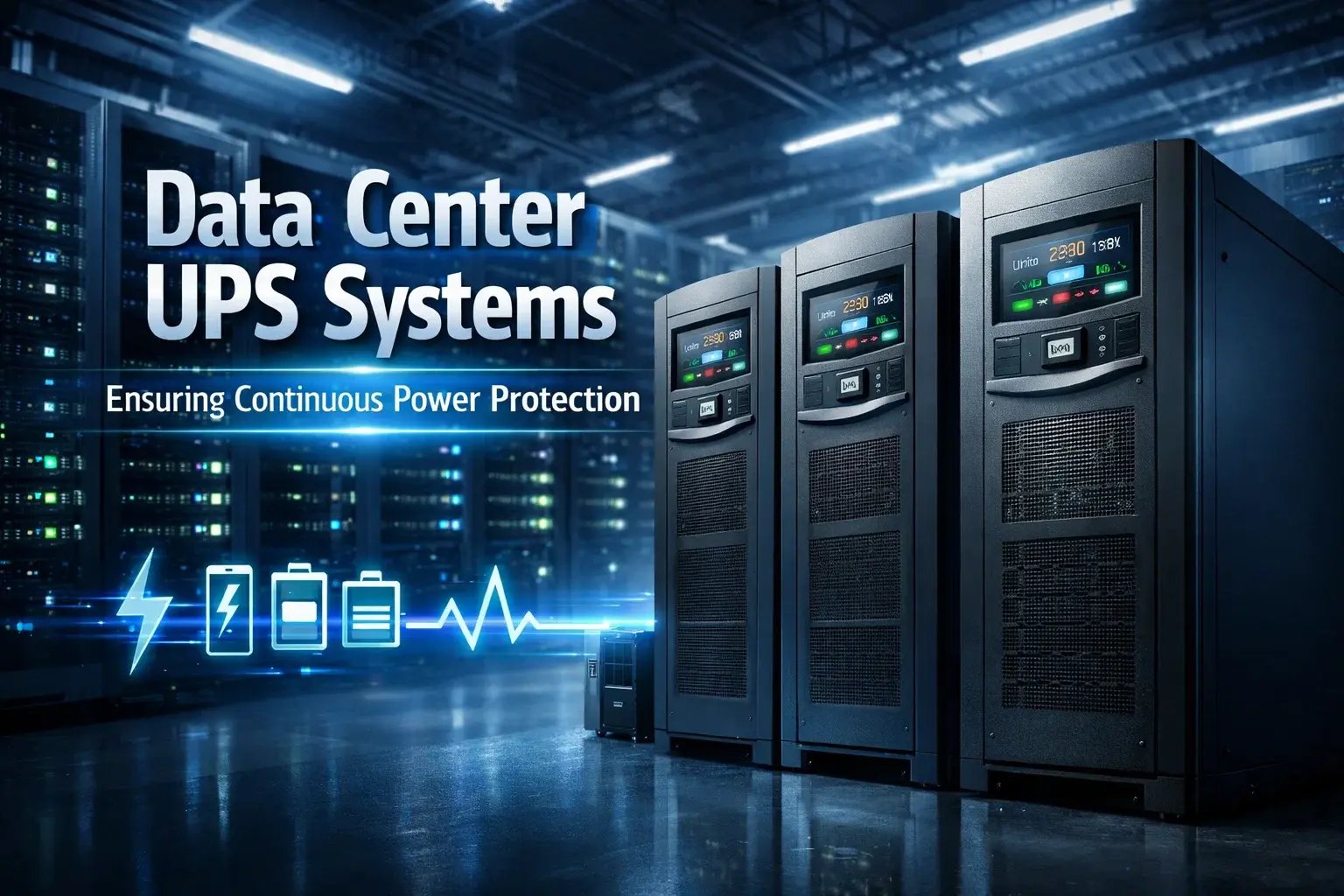
Data is the backbone of operations—from manufacturing analytics and logistics platforms to financial systems and industrial automation. Even a momentary power interruption can disrupt services, corrupt data, and damage trust. That’s why businesses depend on Data Center UPS Systems to maintain continuity, stability, and control during power disturbances.
From working closely with SMEs and infrastructure teams, I’ve seen how power protection decisions directly affect uptime and long-term reliability. A data center UPS is not just emergency backup equipment; it is a critical safeguard that allows organizations to operate confidently in environments where downtime is simply not an option.
Why Continuous Power Protection Matters in Data Centers
Data centers operate under unique pressures. They must deliver uninterrupted performance while managing dense loads, sensitive electronics, and constant demand.
The True Cost of Downtime
Power interruptions can lead to:
-
Service outages affecting customers and partners
-
Data corruption or loss
-
Equipment damage and shortened hardware lifespan
-
Compliance and contractual penalties
Even brief voltage fluctuations can trigger cascading failures across interconnected systems.
UPS as the First Line of Defense
A well-designed UPS stabilizes incoming power, filters electrical noise, and provides instant backup during outages. This gives operators valuable time to transition to generators or execute controlled shutdowns without disruption.
How Data Center UPS Systems Work
Understanding how these systems function helps buyers make informed decisions.
Power Conditioning and Backup
Data center UPS systems continuously regulate voltage and frequency while charging internal energy storage. When the grid fails or power quality drops, the UPS instantly supplies clean power to connected loads without interruption.
Supporting High-Density Loads
Modern data centers run high-density racks and sensitive electronics. UPS systems are engineered to handle rapid load changes while maintaining stable output—an essential requirement in virtualized and cloud-driven environments.
Design Considerations for Modern Data Centers
As data centers evolve, so do their power protection needs.
Scalability and Modular Architecture
Many facilities grow incrementally. Modular UPS designs allow capacity to expand without replacing the entire system, reducing both cost and disruption.
Energy Efficiency and Heat Management
Efficient power conversion reduces energy waste and heat output. This not only lowers operating costs but also eases the burden on cooling systems, improving overall facility efficiency.
Reliability Beyond the Equipment
Power protection is not just about hardware—it’s about the ecosystem supporting it.
Engineering and Manufacturing Discipline
Consistent performance comes from disciplined design, testing, and quality control. Experienced UPS Manufacturers focus on real-world operating conditions, ensuring systems perform reliably under continuous load and varying environments.
Maintenance and Monitoring
Advanced monitoring capabilities allow operators to track performance, battery health, and load conditions in real time. Proactive maintenance reduces the risk of unexpected failures.
Data Centers and Industrial Convergence
The line between traditional data centers and industrial facilities is increasingly blurred.
Protecting Digital Operations in Industrial Settings
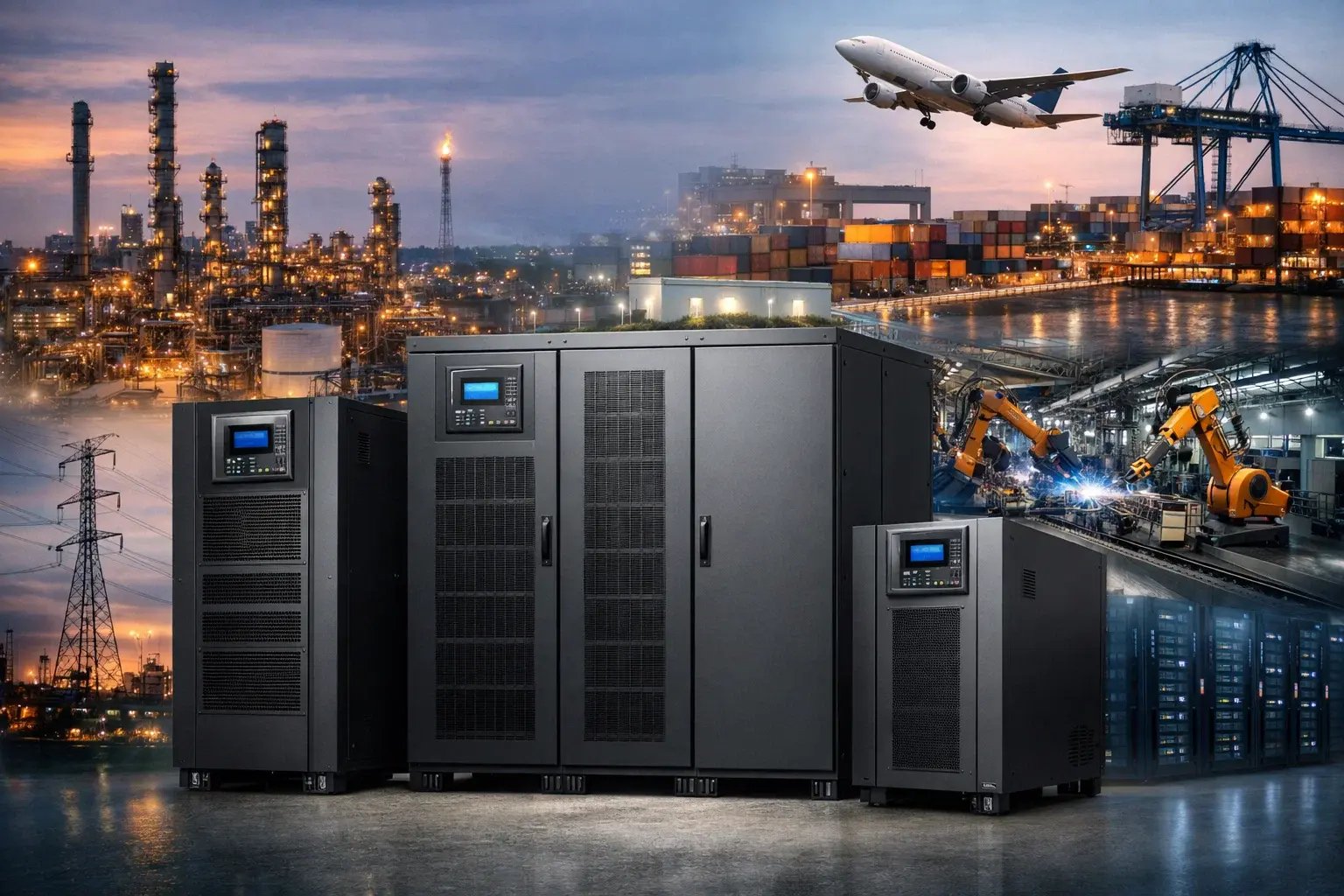
Factories, logistics hubs, and energy facilities now rely on localized data centers to support automation and analytics. Applying data center–grade power protection principles in these environments helps maintain both digital and physical operations.
Supporting Business Continuity
Reliable power protection enables organizations to meet service-level expectations, protect reputations, and support growth—even as digital dependence increases.
Key Evaluation Tips for Buyers
Selecting the right UPS system requires a balance of technical insight and practical foresight.
Match Capacity to Real Demand
Buyers should assess:
-
Actual load requirements, not just nameplate ratings
-
Peak demand and future expansion plans
-
Runtime needs during outages
Oversizing wastes resources, while undersizing introduces risk.
Think Long-Term
UPS systems are long-term assets. Evaluating efficiency, battery lifecycle, and serviceability helps ensure sustainable performance over time.
Global Standards and Operational Confidence
For organizations operating across regions, consistency matters.
Compliance and Documentation
Systems designed to meet widely accepted standards simplify deployment and audits. Clear documentation and testing records build confidence with regulators, insurers, and partners.
Operational Predictability
Reliable power protection supports predictable operations—an essential factor for SMEs and enterprises alike as they scale digital infrastructure.
Conclusion
As digital infrastructure becomes central to every industry, uninterrupted power is no longer optional—it is foundational. Thoughtfully designed data center UPS systems provide stability, protect critical assets, and support long-term operational confidence. When chosen with care, solutions aligned with UPS Suppliers ecosystems help organizations navigate power uncertainty while maintaining trust, performance, and resilience.
FAQs
1. Why are UPS systems critical in data centers?
They prevent downtime, protect data, and stabilize power for sensitive equipment.
2. How quickly does a UPS respond during a power outage?
A UPS responds instantly, supplying power without any noticeable interruption.
3. Can data center UPS systems scale as demand grows?
Yes, many modern systems use modular designs that support phased expansion.
4. How often do UPS batteries need replacement?
Battery lifespan varies by usage and environment, but replacements are typically needed every few years.